
With just a few days left until the end of the year, that inevitable ritual begins: looking ahead to 2026 and rethinking which design styles truly deserve to remain part of our homes. January symbolizes fresh starts, and that applies both to life and to the way we choose to live in our spaces.
+ These small details can ruin a guest’s experience
According to a recent analysis by The Spruce, while new design trends emerge and fade each season, not everything marketed as timeless truly withstands the test of time.
To better understand this shift, interior designers shared which choices once considered classic no longer make sense for homes in 2026 — and the reasons go far beyond aesthetics.
All-white kitchens
All-white kitchens dominated residential projects for many years, always associated with elegance, cleanliness, and aesthetic safety. However, according to experts interviewed by The Spruce, this look is beginning to lose momentum.
Interior designer Lexie Saine explains that despite their popularity, all-white kitchens do not always work well, especially in homes with strong personality or architectural history. For her, this type of palette can convey a sterile, uninviting feeling and may not age harmoniously over time.
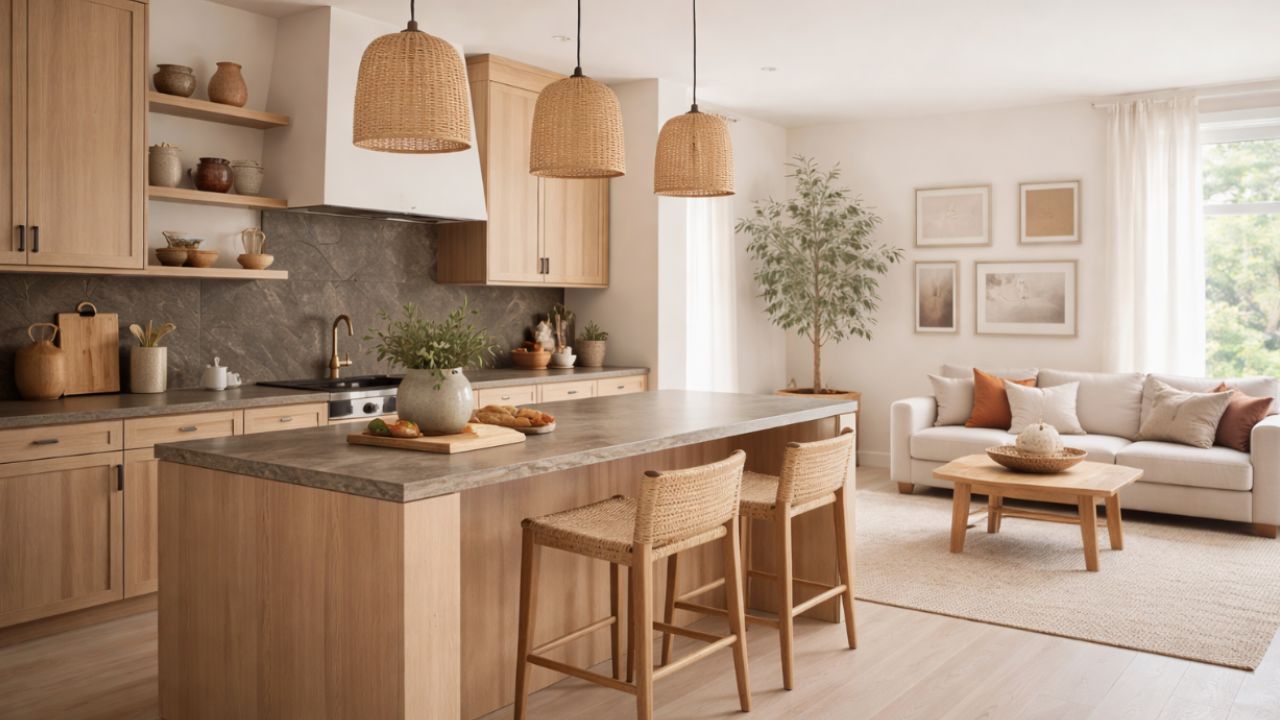
Instead, preferences are now shifting toward kitchens with more visual and sensory layers. Natural wood tones, stones with visible veining, and colors that add warmth and depth to the space create environments that feel more lively, personal, and full of narrative. This combination, according to Saine, tells a story that a sea of white cabinets and countertops rarely achieves.
Fully neutral palettes
The idea of an entire home wrapped in neutral tones is also being reconsidered. As noted by The Spruce, designer Hannah Griffiths acknowledges that colors such as white, beige, and taupe are individually timeless. The problem arises when these shades dominate every room, creating overly uniform spaces.
According to Griffiths, rooms composed solely of neutrals may convey calm, but they often end up looking artificial or lacking personality. The human eye naturally seeks points of interest, and the absence of contrast, texture, and visual pattern tends to make spaces feel monotonous.
For those looking to update their homes in 2026, the advice is clear: incorporating color should not be a source of fear. On the contrary, strategic hues, varied textures, and striking visual elements are what transform a space from simply beautiful into truly timeless and vibrant.
Gray everywhere
Another tone that, according to experts cited by The Spruce, is losing prominence is gray. For years, it was treated as the modern neutral par excellence, but today many designers view it as cold, lifeless, and even dated.
Interior designer Pantea Bionki explains that residents are increasingly seeking environments that convey coziness, well-being, and emotional comfort — qualities that gray, in most cases, fails to provide.
This does not mean abandoning gray requires bold choices or bright colors. Warmer neutral tones, earthy palettes, and soft variations inspired by nature emerge as elegant and welcoming alternatives. These colors create a sense of connection and tranquility, aligning with the trend toward homes that care for both body and mind.
Source: The Spruce. This content was created with the help of AI and reviewed by the editorial team.
